
Whins House | BNG Units in Ribble Valley
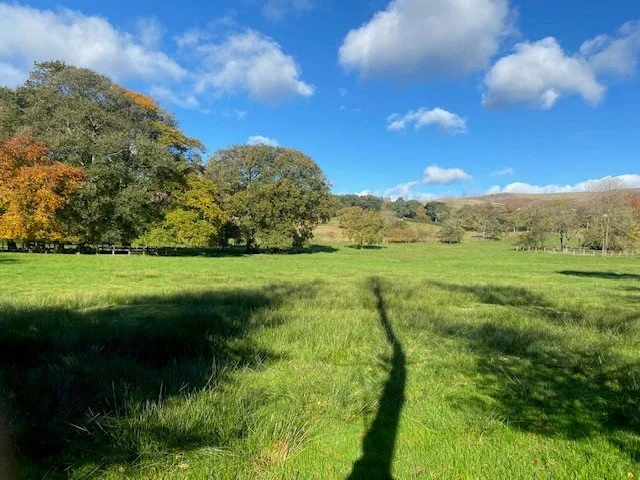
Whins House is a legally secured Biodiversity Gain Site in Ribble Valley providing off-site biodiversity units for developments in Lancashire and the surrounding area. The habitat bank spans both the Bowland Fringe and Pendle Hill and Lancashire Valleys National Character Areas, giving it a particularly broad geographic context for BNG procurement.
The site delivers Wood-Pasture and Parkland, Other Neutral Grassland, Broadleaved Woodland, Mixed Scrub, Ponds, Rural Trees and Species-Rich Hedgerow units across medium, high and very distinctiveness categories. With Wood-Pasture and Parkland making up the largest share of available units, Whins House is particularly relevant to projects requiring very high distinctiveness habitat alongside a wider mix of supporting habitats.
Key Facts
Local Planning Authority (LPA): Ribble Valley
National Character Area (NCA): Bowland Fringe and Pendle Hill / Lancashire Valleys
LNRS: Lancashire
HMMP: Yes
Legal Agreement: Conservation Covenant
Total units (indicative): 89.21
Status: Legally Secured
Overview
Whins House is an ILM biodiversity gain site in the Ribble Valley, uniquely positioned across two National Character Areas: the Bowland Fringe and Pendle Hill & Lancashire Valleys.
The site delivers a broad mix of habitat types, including Wood-Pasture and Parkland, Other Neutral Grassland, Other Woodland: Broadleaved, Mixed Scrub, Ponds (Non-priority), Rural Trees and Species-rich Native Hedgerow, generating units across medium, high and very high distinctiveness categories.
Wood-Pasture and Parkland and Parkland accounts for 38.88 indicative units and is the largest habitat allocation at the site. Its very high distinctiveness habitat requirements that cannot be met through lower-value units or trading up. The wider mix of grassland, woodland, scrub, pond, tree and hedgerow habitats also allows several deficits to be considered through one habitat bank.
An approved Habitat Management and Monitoring Plan is in place and the site is now legally secured through a Conservation Covenant. Units are available to reserve now ahead of registration on the Biodiversity Gain Site Register.
The following units are currently available from Whins House. Availability may change as units are allocated to live projects.
Units Available
Suitable For
Developments requiring very high distinctiveness habitat units
Projects with Wood-Pasture and Parkland requirements
Schemes requiring several habitat types from one habitat bank
Developments requiring area-based and hedgerow units
Projects within or near the Bowland Fringe and Pendle Hill NCA
Projects within or near the Lancashire Valleys NCA
Developments seeking medium, high and very high distinctiveness units
Coverage
Whins House sits within the Ribble Valley and spans two National Character areas, giving it a wider geographic context for off-site BVNG delivery across Lancashire. Developments in neighbouring planning, landscape and LNRS areas may also be able to use units from the site, subject to Biodiversity Net Gain trading rules, spatial risk and project-specific assessment.
Coverage
| Neighbouring LPAs | Neighbouring NCAs | Neighbouring LNRS Areas |
|---|---|---|
| Preston | Bowland Fells | Cumbria |
| Blackburn with Darwen | Lancashire and Amounderness Plain | Greater Manchester |
| Burnley | Lancashire Valleys | Liverpool City Region |
| Hyndburn | Morecambe Bay Limestones | North Yorkshire and York |
| Lancaster | Morecambe Coast and Lune Estuary | West Yorkshire |
| Pendle | Yorkshire Dales | |
| South Ribble | ||
| Wyre | ||
| North Yorkshire |
Explore nearby biodiversity gain sites
Looking for alternative habitat banks? Explore Leckhampstead for Woodland and Grassland habitats, Wood Farm for very high distinctiveness Lowland Meadows and diverse habitat types, or Melton Mowbray for a large-volume, multi-habitat BNG solution. Each ILM habitat bank offers different habitat types, unit availability and geographic coverage, helping you identify the most suitable off-site BNG solution for your development.
BNG Suitability
Developers seeking BNG units in Ribble Valley or wider Lancashire may find Whins House particularly useful where projects require very high distinctiveness habitat alongside a mix of medium and high distinctiveness units. The site’s 38.88 indicative Wood-Pasture and Parkland units provide a substantial very high distinctiveness allocation, supported by grassland, woodland, scrub, pond, individual tree and hedgerow habitats.
This range can help developers address several habitat deficits through one site while meeting BNG trading rules where like-for-like replacement or trading up is required. Whins House also spans both the Bowland Fringe and Pendle Hill & Lancashire Valleys NCAs, which may broaden its spatial relevance for developments in the surrounding area, subject to the latest statutory biodiversity metric guidance and project-specific assessment.
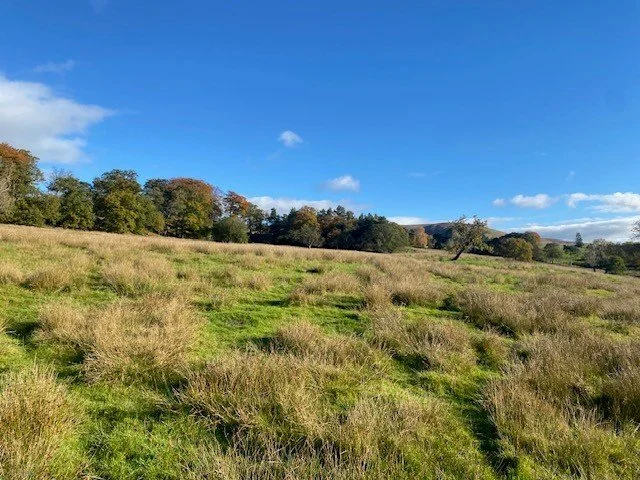
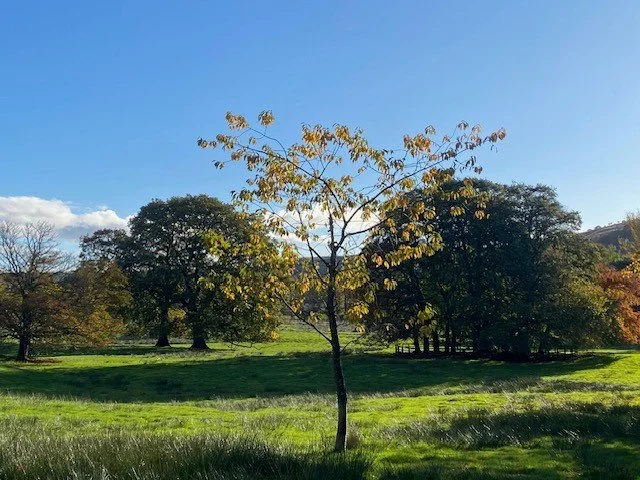
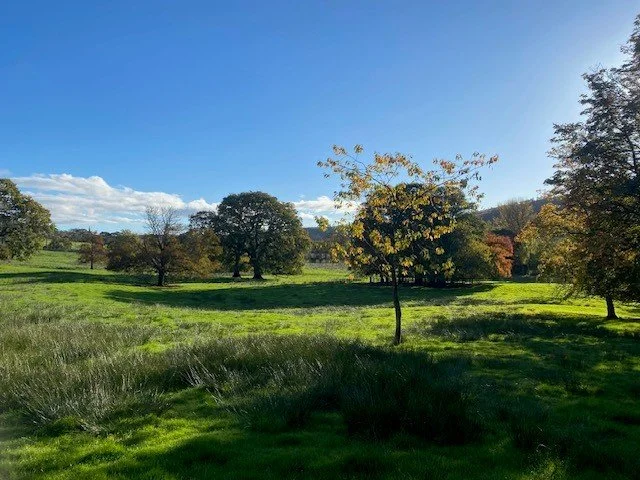
-
Whins House provides Wood-Pasture and Parkland, Other Neutral Grassland, Broadleaved Woodland, Mixed Scrub, Ponds, Rural Tree and species-rich hedgerow units across medium, high and very high distinctiveness categories.
-
Yes. Whins House includes 38.88 indicative units of Wood-Pasture and Parkland at very high distinctiveness.
-
The site spans both the Bowland Fringe and Pendle Hill and Lancashire Valleys National Character Areas, giving it relevance across two distinct landscape areas.
-
Send ILM your biodiversity metric and development details so the team can assess habitat requirements, availability, trading rules and spatial suitability.
Enquire About BNG Units
If you are seeking off-site biodiversity units in Ribble Valley or elsewhere in Lancashire, contact ILM to discuss current availability at Whins House. Providing your biodiversity metric and development details will help the team assess suitability and identify the units best matched to your project.
