
Habitat Creation at Bridge Farm Biodiversity Gain Site
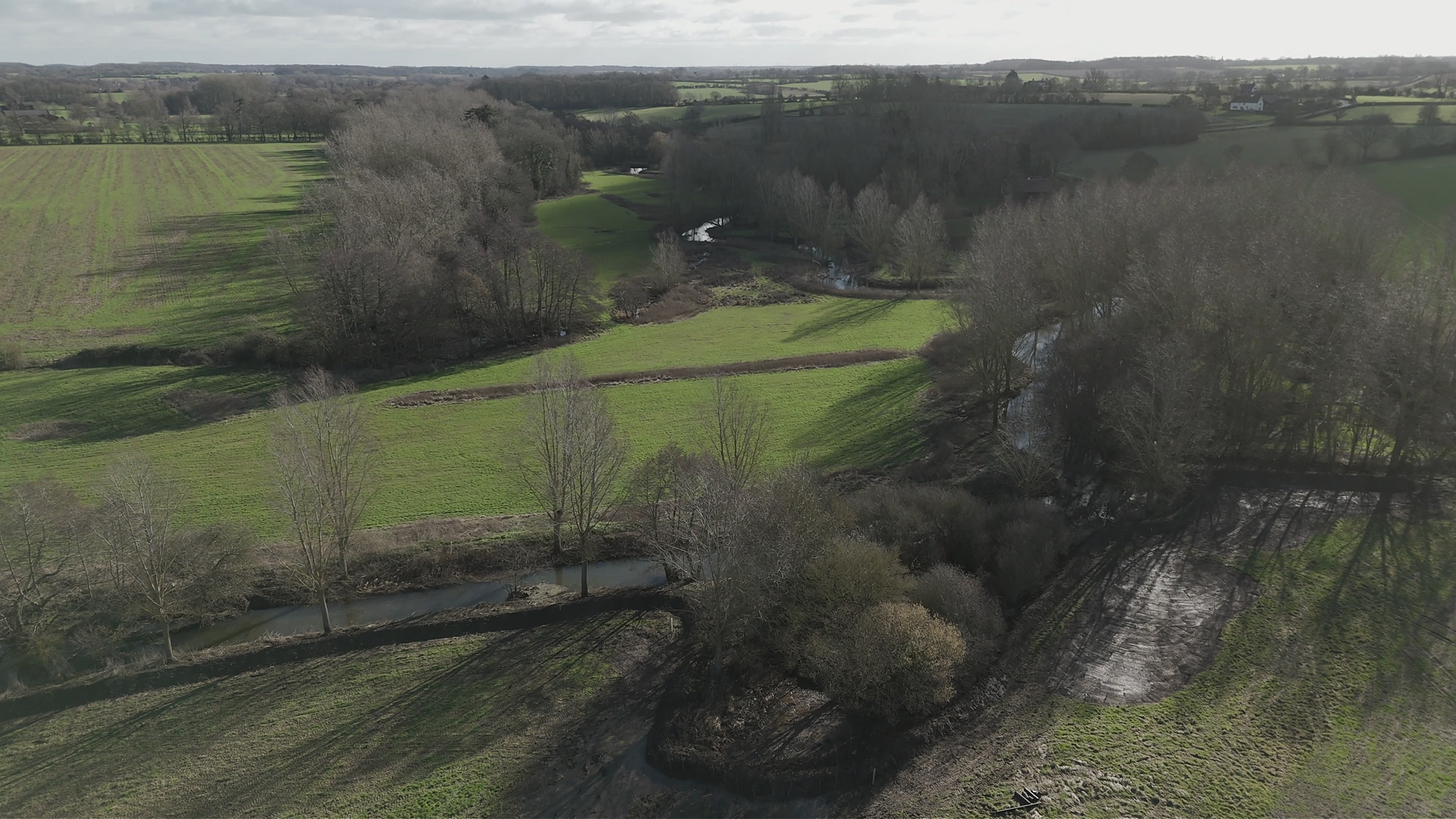
Habitat creation works are now underway at Bridge Farm as part of its development as a registered Biodiversity Gain Site (BGS-160124001).
Located within the South Norfolk & High Suffolk Claylands National Character Area, the site is being carefully enhanced to deliver a locally appropriate mix of Wet Woodland, Traditional Orchards and Lowland Meadows - supporting off-site Biodiversity Net Gain (BNG) delivery.
Bridge Farm is fully registered on the national Biodiversity Gain Sites Register (BGS-160125001) and forms part of ILM’s growing portfolio of operational sites.
Recent works have focused on establishing Wet Woodland along the upper reaches of the River Deben, forming part of a wider landscape-scale recovery initiative across the Deben catchment.
What Habitat Creation Works Have Taken Place at Bridge Farm?
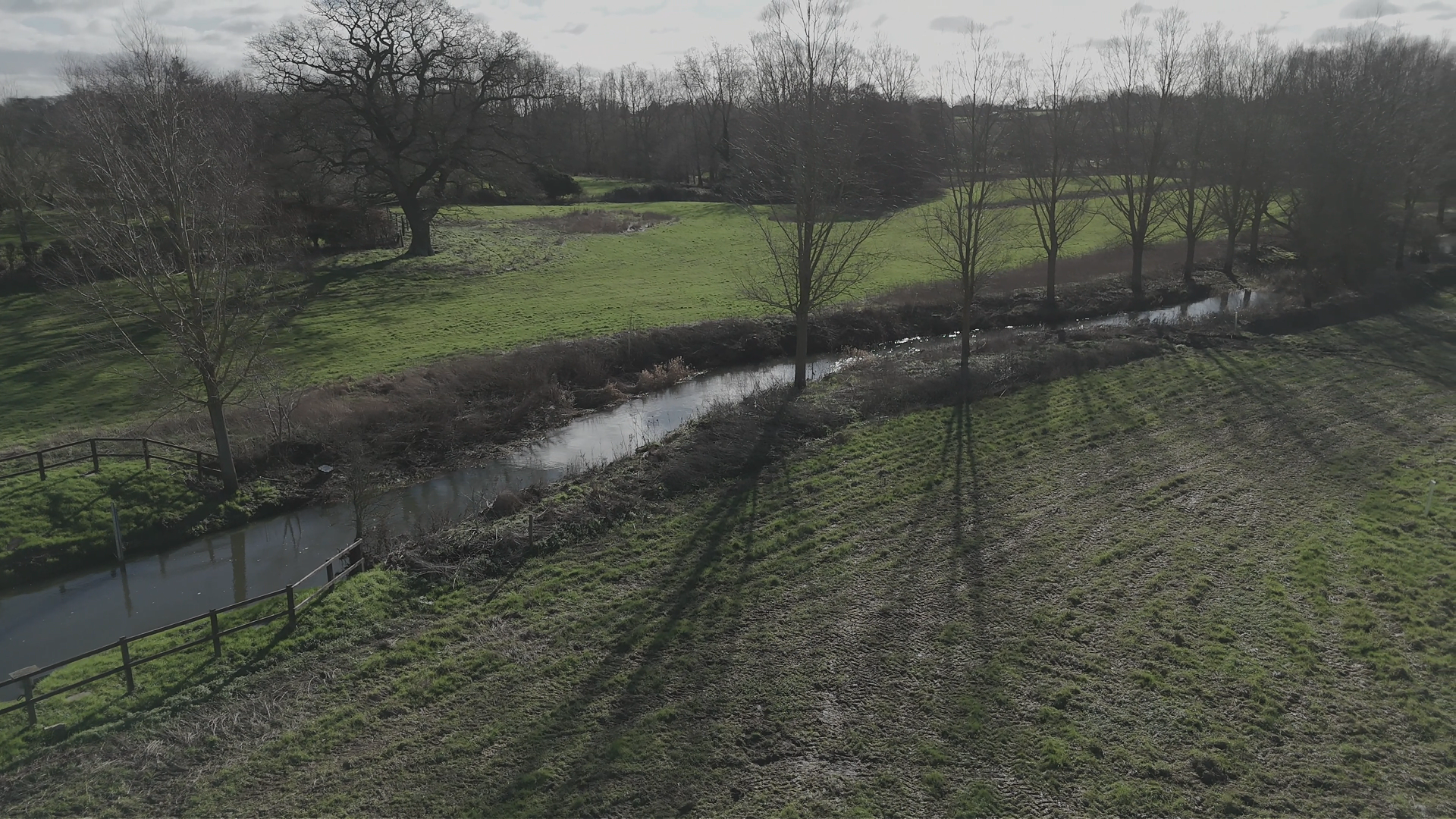
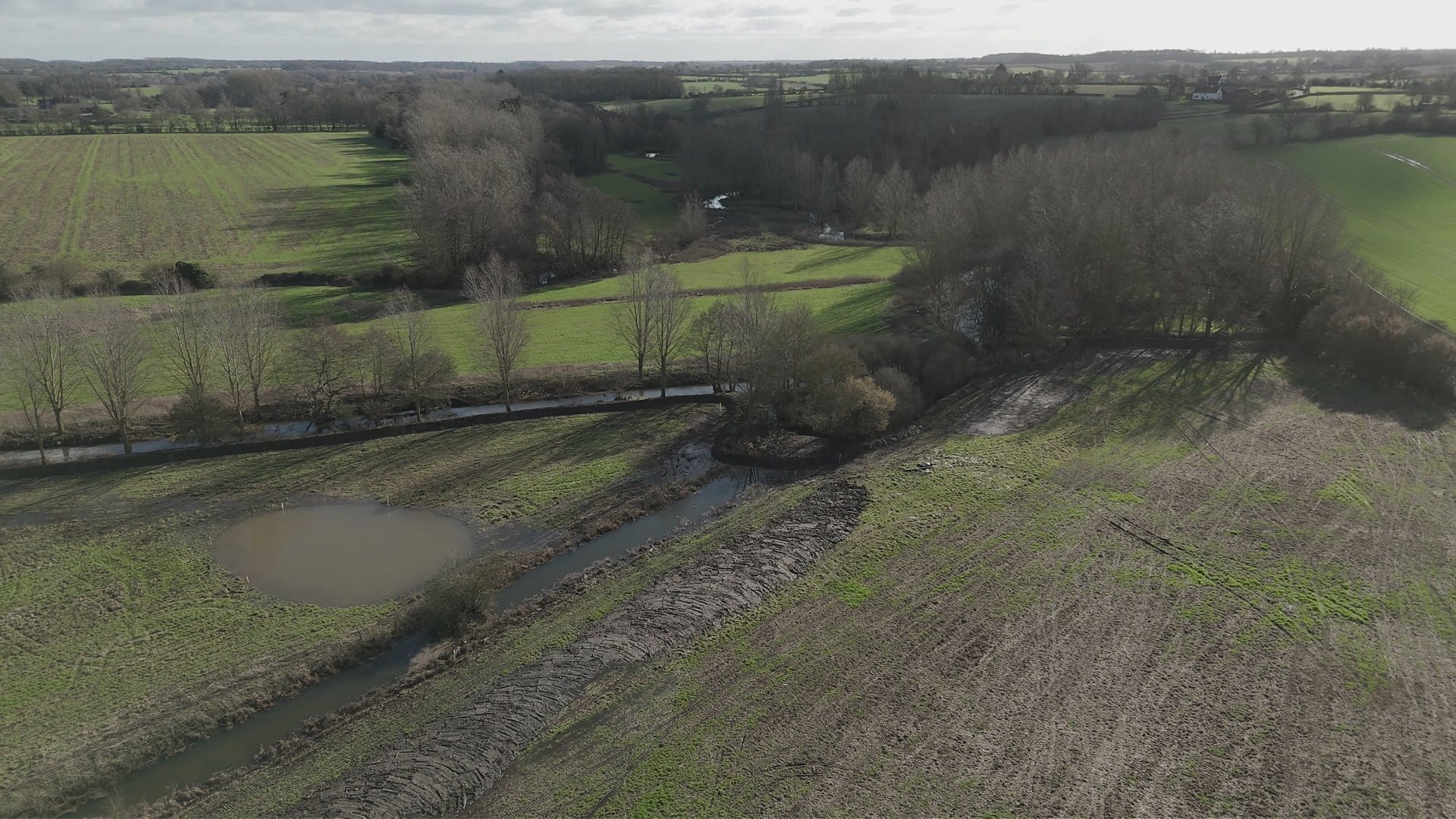
The existing meadows at Bridge Farm sit adjacent to the upper River Deben. To support the establishment of Wet Woodland and enhance hydrological function, a series of interventions have recently been completed:
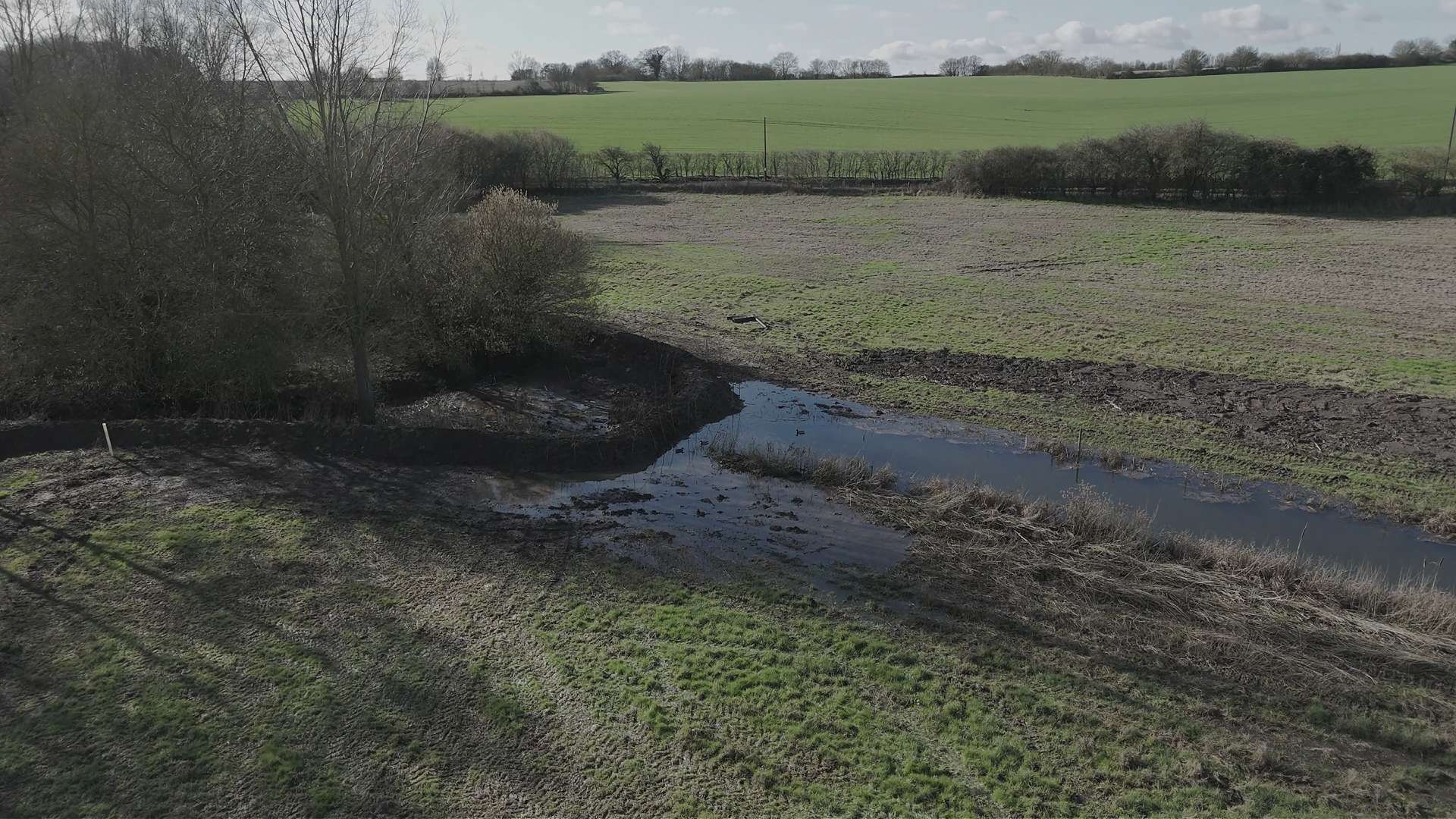
Three scrapes formed within the meadow
Spoil used to repair and raise sections of the riverside bank
A collapsed earth dam reinstated
The ditch carefully cleaned and re-profiled
Importantly, arisings from the ditch were placed alongside its edge to allow invertebrates and amphibians to recolonise naturally, maintaining ecological continuity during works.
Heavy rainfall shortly after completion led to the ditch and adjacent scrapes filling almost immediately, establishing suitable wet conditions for the developing habitat.
Why Wet Woodland?
Wet Woodland is a high-value habitat associated with floodplain environments and hydrologically dynamic landscapes.
At Bridge Farm, the objective is to:
Restore natural wetland function
Improve habitat diversity across the site
Enhance resilience to seasonal water level variation
Contribute to biodiversity uplift in line with DEFRA Metric requirements
This habitat creation aligns with local ecological character and strengthens the site’s contribution to the wider Deben catchment.
Early Ecological Response
The ecological response was almost immediate. Within the next day of the scrapes filling, gulls and ducks were observed using the newly formed wet areas. By the end of the week, a White Egret had also been recorded on site.
While early colonisation does not determine long-term habitat success, it provides an encouraging indication that the site is already functioning ecologically and contributing to local biodiversity.
Woodland Planting and Species Selection
Planting of the Wet Woodland has commenced, with species selected to reflect the site and long-term structural diversity.
Current planting includes:
Willow
Black Poplar
Alder
On drier ground:
Oka
Hazel
Further planting of Willow and Alder will continue as conditions allow.
This phased approach supports gradual establishment while maintaining ecological integrity.
How Does Bridge Farm Support Off-Site BNG Delivery?
Bridge Farm delivers a locally appropriate and ecologically valuable mix of:
Wet Woodland
Traditional Orchards
Lowland Meadows
Units from the site are available to support developments requiring off-site BNG, particularly where achieving the full 10% biodiversity uplift onsite is not feasible.
For developers exploring off-site procurement options: https://www.integratedlm.co.uk/bng-units
For landowners considering habitat creation as a diversification opportunity: https://www.integratedlm.co.uk/landowners or explore our Brokerage Services.
Landscape-Scale Recovery Across the Deben Catchment
Bridge Farm forms part of a broader landscape-scale recovery initiative encompassing:
The River Deben
The Rivers Ore and Alde
Enhancing habitats at scale supports ecological connectivity, floodplain function and measurable biodiversity uplift across the wider catchment.
This strategic alignment strengthens the long-term resilience of the habitat and supports sustainable BNG delivery.
FAQs
-
Yes. Bridge Farm (BGS-160125001) is fully registered on the national Biodiversity Gain Sites Register and eligible to deliver off-site BNG units.
-
The site delivers:
Wet Woodland
Traditional Orchards
Lowland Meadows
Each habitat contributes to measurable biodiversity uplift under the DEFRA Biodiversity Metric.
-
Yes. The site includes hydrologically influenced habitats along the River Deben and may support developments requiring wetland or higher distinctiveness habitat units, subject to availability and spatial considerations.
For advice on watercourse or higher distinctiveness requirements, contact our team.
From Design to Delivery
Habitat creation at Bridge Farm represents another step in the practical delivery of Biodiversity Net Gain.
From restoration and wetland establishment to woodland planting and early wildlife response, the site is moving from design to functioning habitat.
If you would like to discuss unit availability or explore how Bridge Farm may support your project, our team would be pleased to arrange an early-stage conversation.
