BNG Procurement for Major Infrastructure: Looking Beyond Biodiversity Units
From 2 November 2026, Biodiversity Net Gain will become mandatory for Nationally Significant Infrastructure Projects (NSIPs), bringing a new scale of development into the statutory BNG framework.
For developers, the fundamentals of off-site procurement remain clear. The right biodiversity units need to be available in the right location, provide the appropriate habitat types and be capable of being secured and delivered for the long term.
But for major infrastructure projects, there is value in looking beyond the biodiversity units themselves.
In Brief
Off-site BNG procurement should start with ecological fit - but it need not end there. The 30-year management of habitat banks may also support locally relevant volunteering, skills, education and partnerships. These outcomes remain separate from statutory BNG and should be grounded in what each site and community can genuinely sustain. Sandhouse Lane offers an early example of that approach in practice.
Off-site BNG creates long-term managed habitats within particular places and communities. Alongside delivering measurable biodiversity gains, those sites can also create opportunities for wider benefits - from volunteering and environmental education to skills development, local employment and community partnerships.
These wider benefits are separate from the statutory BNG requirement. But for infrastructure organisations already considering social value across their projects and supply chains, off-site BNG provides another opportunity to support those objectives.
So what could that look like in practice?
What could social value look like at a biodiversity gain site?
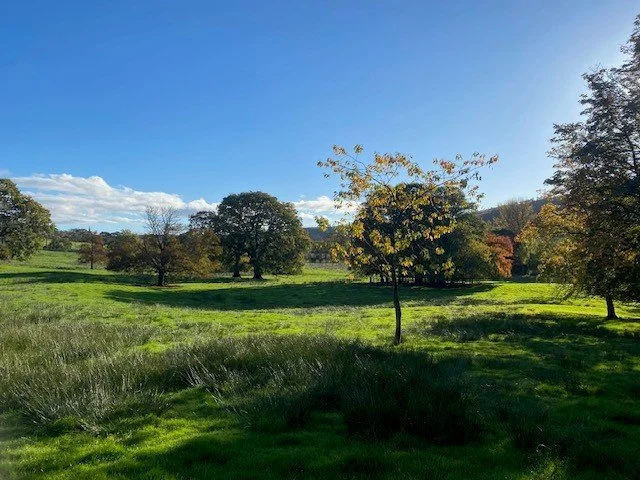
Every biodiversity gain site is different, so the opportunities will be different too.
Off-site habitats used to deliver BNG must be secured and managed for at least 30 years. That creates a long-term relationship with a place: habitats need to be created or enhanced, managed and monitored over decades.
Depending on the site, landowner and local area, that could create opportunities for:
volunteering linked to habitat creation and management;
school visits and environmental education;
practical conservation activities;
partnerships with local charities and environmental organisations;
training, work experience and skills development;
local employment associated with long-term site management; and
engaging local contractors and suppliers where appropriate.
These aren't simply additional benefits to add to a project on paper. The most useful opportunities will depend on what a particular community needs and what can realistically be sustained at the habitat bank.
Considering them early gives landowners, BNG providers and developers the opportunity to identify activities that are locally relevant and capable of being delivered over the long term.
Sandhouse Lane: building on local experience
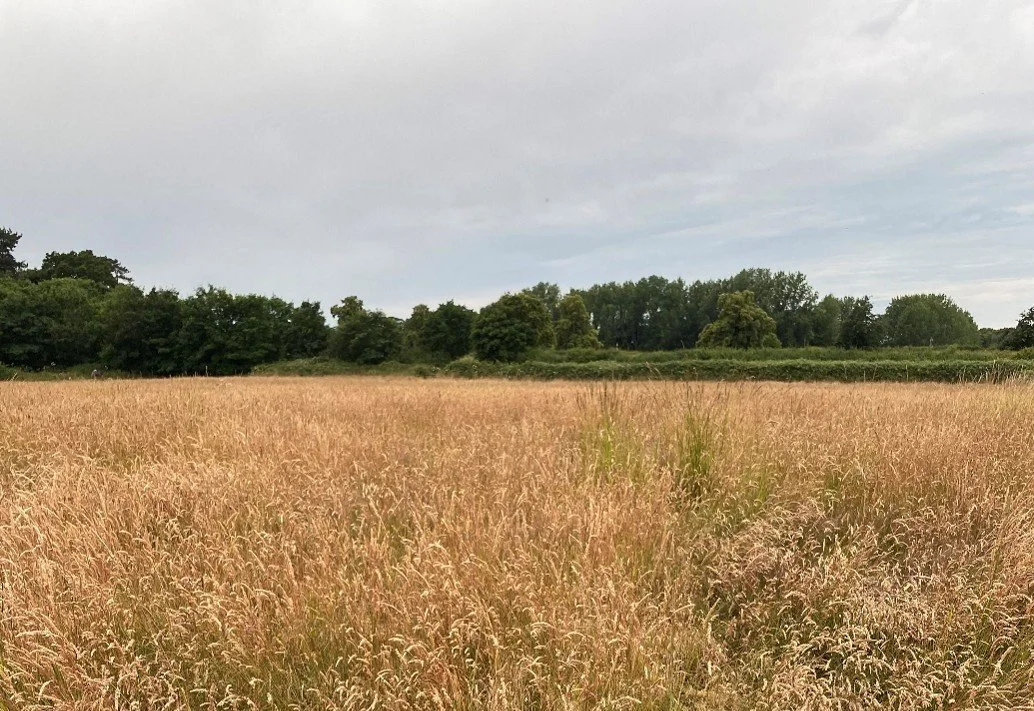
ILM's registered Sandhouse Lane Biodiversity Gain Site in Central Bedfordshire provides an early opportunity to consider what this could look like in practice.
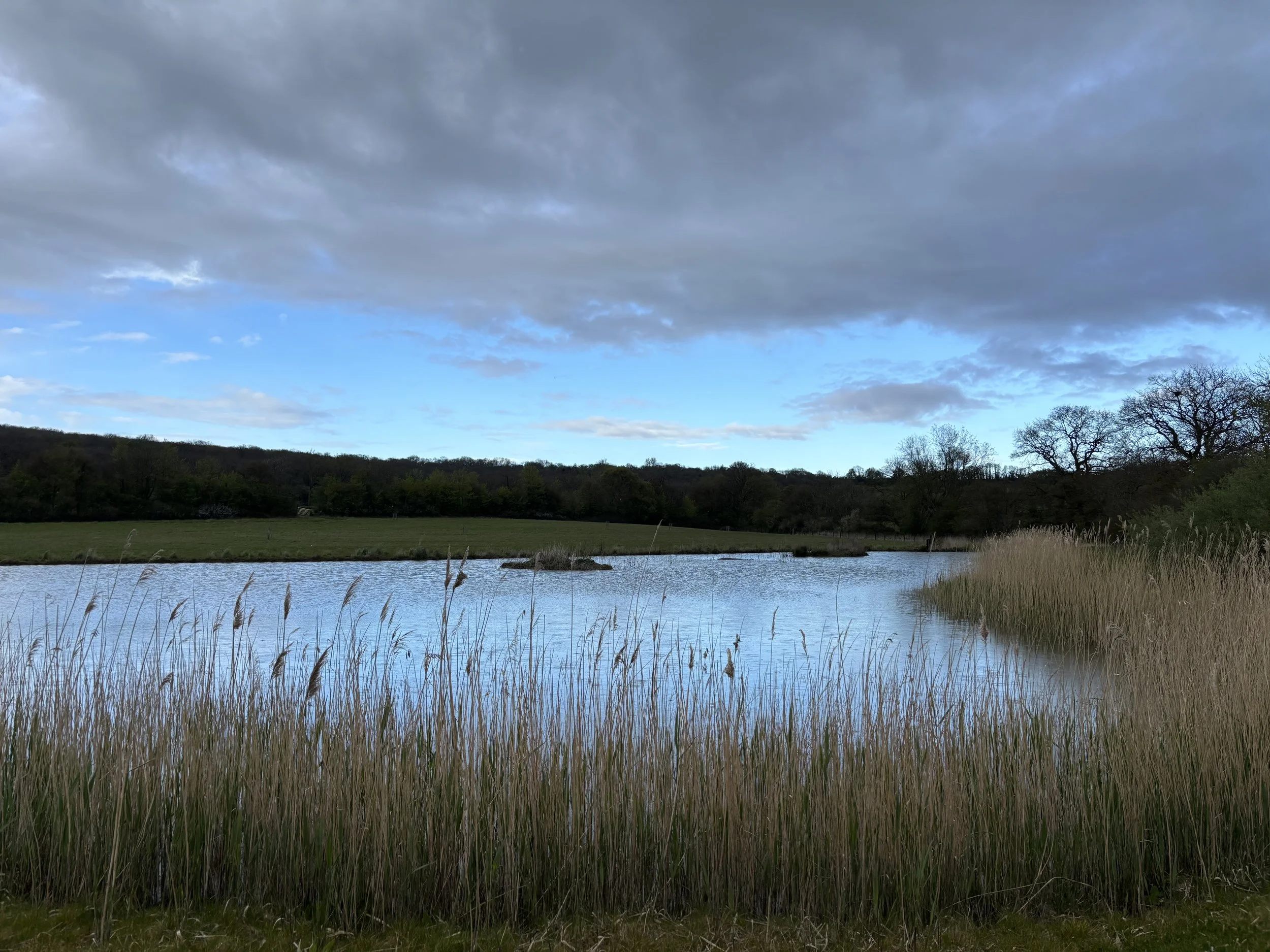
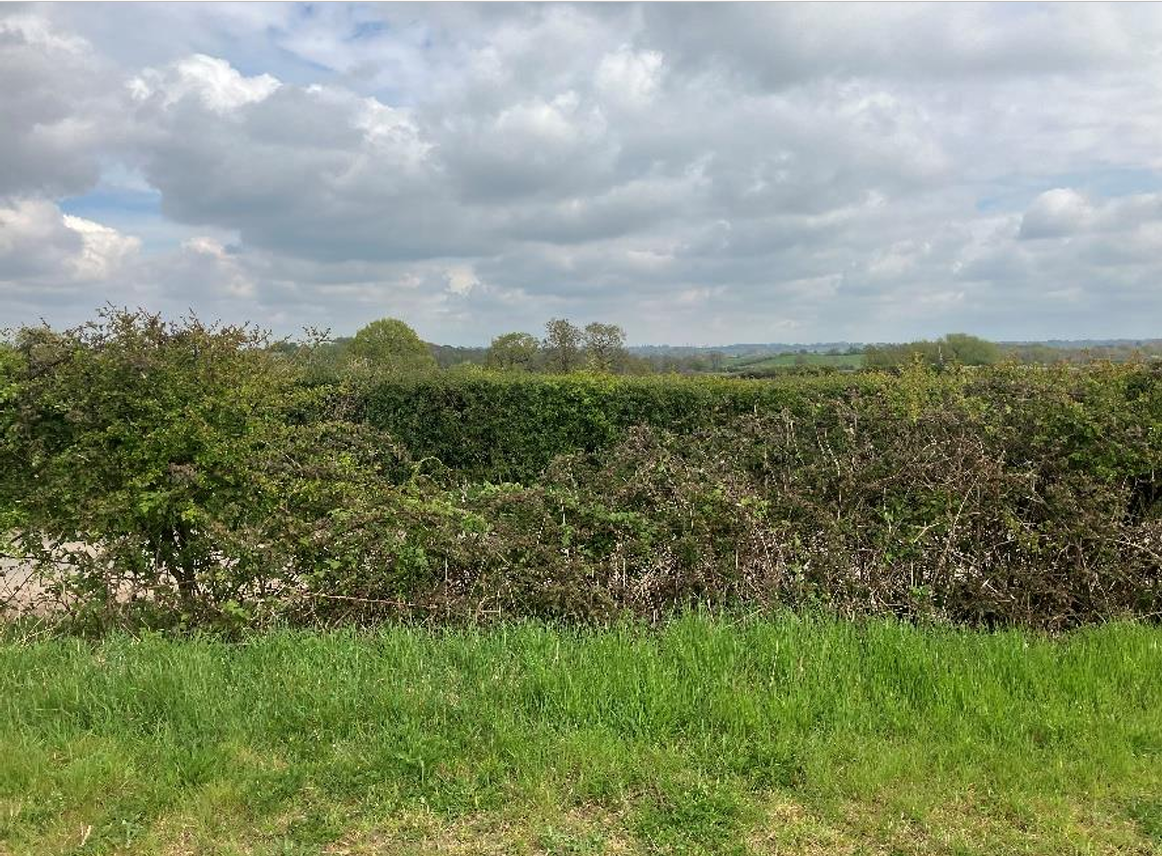
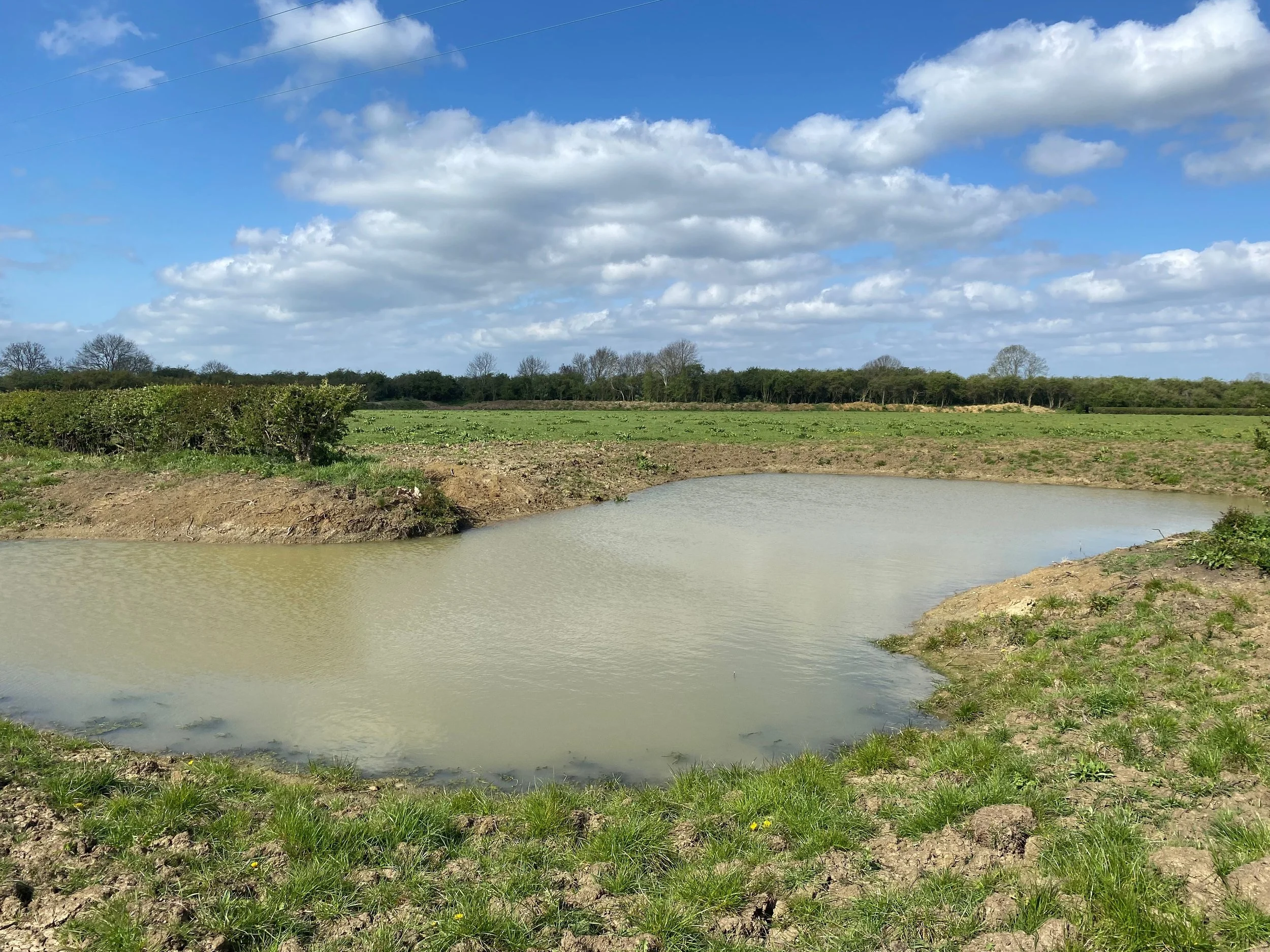
Delivered in partnership with Tarmac, Sandhouse Lane sits within the Greensand Ridge National Character Area. The site is legally secured through a Section 106 agreement and will deliver 35.08 indicative biodiversity units through grassland, mixed scrub, species-rich native hedgerows and ditches.
Tarmac also has an established history of conservation work in the surrounding area, including a longstanding relationship with The Greensand Trust and involvement in the management of King's Wood and Rushmere National Nature Reserve.
That local experience provides a useful starting point for considering what wider community involvement around the new BNG site could look like.
“We have worked in partnership with the Greensand Trust for over 20 years with their ranger team and volunteers supporting the management of the ancient woodland and heathland habitats within the parts of the Kings Wood and Rushmere National nature Reserve owned by Tarmac. This partnership is continuing for the new habitat bank with the Greensand Trust rangers and volunteers undertaking the mixed scrub planting, ensuring local and community involvement in a key part of the habitat bank establishment.”
Depending on what is appropriate for the site, opportunities might include practical conservation volunteering, school visits, environmental education, skills development or other locally relevant initiatives.
The important point is that these activities would be developed around the site, its long-term management and the needs of the local community, rather than added as an afterthought.
Designing wider value into BNG delivery
ILM's role as a BNG provider extends beyond identifying land and bringing biodiversity units to market. Working with landowners throughout site development and long-term delivery creates an opportunity to consider wider outcomes from the outset.
For major infrastructure projects, that could mean understanding a developer's wider social value objectives alongside its biodiversity requirements, then working with the landowner to identify which opportunities could realistically be delivered through a particular habitat bank.
Landowners remain central to that process. They know their land and local area and are responsible for delivering the long-term habitat management commitments associated with their site.
ILM can help connect those different requirements: understanding what the developer is looking to achieve, what the landowner can deliver and where local organisations or partnerships could add value.
Not every biodiversity gain site will be able to offer every outcome - nor should it.
The objective is to identify opportunities that are specific to the site, useful to the local area and realistic to sustain alongside long-term habitat management.
Looking beyond the metric
As mandatory BNG extends to NSIPs, the availability of suitable, high-integrity biodiversity units will remain the priority.
But procurement doesn't necessarily have to stop at the units themselves.
A biodiversity gain site represents at least 30 years of habitat management and investment in a particular place. Where the circumstances are right, there is an opportunity for that long-term commitment to support wider local outcomes too.
Sandhouse Lane gives ILM and Tarmac an opportunity to explore what that could look like in practice.
As ILM develops new biodiversity gain sites with its landowner partners, this is an approach we want to build on: helping developers secure the biodiversity units they need while identifying credible opportunities to deliver wider value alongside them.
For infrastructure developers, considering those opportunities early gives everyone involved more scope to build them into delivery from the outset.
How do these changes affect your projects?
Speak to the ILM team about off-site BNG provision for major infrastructure projects, or explore available habitat banks through the BNG Sites Directory.
Explore ILM’s BNG Sites Directory